Booking a venue in Mesa should be the simple part of planning an event. You find a space you like, the date is free, you pay a deposit, and you move on to the guest list. Then something small surfaces — a cleaning charge nobody mentioned, a room that seats fewer people than you invited, a cancellation clause you cannot possibly meet — and a straightforward booking turns into a running argument. Most of these problems begin in the same place: questions that were never asked before money changed hands.
Assuming the quoted price is the final price
The figure in an advert or an email is almost always for the room itself. The costs that make the room usable for your particular event are frequently quoted separately, and they add up quickly. A hall that looks affordable per evening can end up costing noticeably more once staffing, equipment and clean-up are included.
Watch for charges such as:
- Cleaning and waste removal, especially after a party with food and drink
- Staffing, including security, door staff, cloakroom attendants or a technician
- Equipment hire for sound systems, projectors, staging, extra tables and chairs
- Corkage fees if you bring your own drinks, or minimum bar spends if you do not
- Licensing costs for music, late alcohol sales or extended hours
- Damage deposits, and the conditions for getting them returned
- VAT, which may or may not be included in the figure you were quoted
Ask for a written breakdown in a single document, with an all-in total for your specific date and timings. Then ask the follow-up question that catches most surprises: what would trigger an extra charge on the night? Common answers include overrunning your finish time, requiring extra cleaning, or using more of the building than you booked. Get those answers in writing, even if it is just a confirmation email.
Misreading the capacity
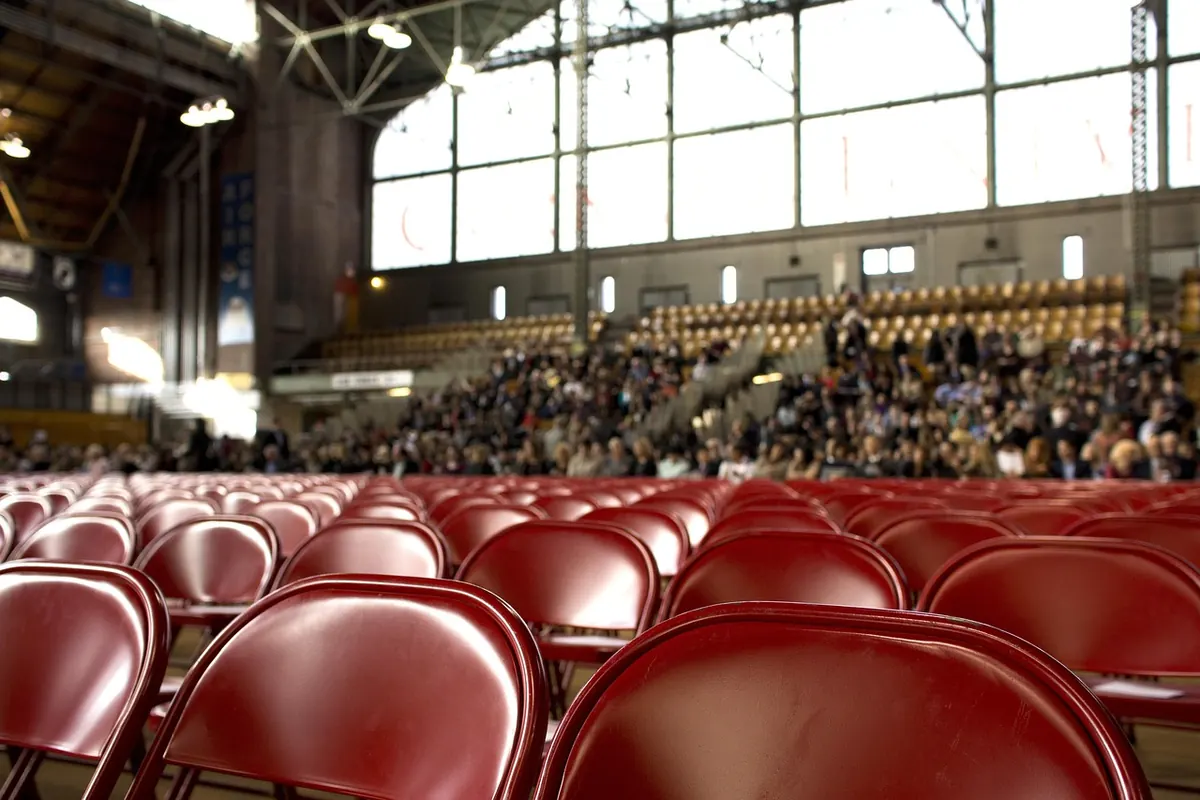
Capacity is not one number. It depends entirely on what people are doing. The same room might hold two hundred standing, one hundred and twenty seated in rows, and perhaps eighty at round tables with a dance floor. Fire safety limits, comfortable limits and practical limits are three different things, and venues sometimes quote the most flattering one.
When you visit, walk it through with your own event in mind. Count the space you will lose to a buffet table, a bar, a stage, a photographer and a pram park. If you are expecting children, factor in buggies and somewhere for them to move around. If you are planning a seated meal, ask to see a table plan from a similar event, and ask what the venue considers a comfortable number rather than the maximum. If the number feels tight, it probably is.
Skimming the deposit and cancellation terms
This is the section people read last and regret first. Deposits are often non-refundable in full or in part, and the refund scales may shift depending on how close to the date you cancel. Read carefully for:
- Whether the deposit is refundable at all, and under what circumstances
- The deadline for final numbers, and what happens if you drop below them
- Whether you can postpone to another date instead of cancelling, and any fee for that
- What happens if the venue has to cancel or close, and how quickly you would be refunded
- Whether the deposit is transferable if you hand the booking to someone else
Where large sums are involved, it is sensible to take proper advice before signing anything you are unsure about. A deposit paid without reading the terms is difficult to argue about later.
Overlooking the hours around your booking
Your booking is not just the event. It is the get-in, the set-up, the event itself and the get-out — and venues charge for all four in different ways. Confirm when you can access the building, whether that access is included in the price, and when the room must be empty and locked. A music curfew may fall well before your licence ends, and overtime charges can apply per hour or part hour.
Ask who unlocks and who locks up, whether you are responsible for returning furniture to its original layout, and where you can safely leave deliveries during the day. If a supplier needs to arrive early, check that this is allowed. Small misunderstandings here are the most common reason a smoothly run evening ends with an unexpected invoice.
Booking before you have visited, or before asking the awkward questions
Photographs can be generous. Visit in person, at roughly the time of day your event will run, and look at the space with a critical eye. Then ask the questions that matter:
- Is there step-free access, and is there an accessible toilet?
- How much parking is there, and is it free after a certain hour?
- What are the noise limits, and are there nearby residents to consider?
- Are there kitchen facilities, and are outside caterers permitted?
- How many power sockets are there, and is the supply adequate for a band or a caterer?
- Is there a lift, and does it work on the day in question?
- Who is our single point of contact, and how do we reach them on the night?
Write the answers down. If the venue will not put something in writing, treat that as information in itself.
Before you pay the deposit
Pause for ten minutes and check the basics. Make sure you have the full cost in writing, including anything conditional. Confirm the capacity for your layout and your guest list, not the venue's maximum. Read the cancellation and postponement terms properly. Check the access, get-in and get-out times, and the deadline for confirming final numbers. Pay by a traceable method, keep every email, and ask for a receipt that states what the deposit covers and whether it is refundable.
None of this takes long, and it turns a hopeful booking into a secure one. Do it before the money leaves your account, and the rest of the planning gets a great deal calmer.
Photo: RyanMcGuire / Pixabay